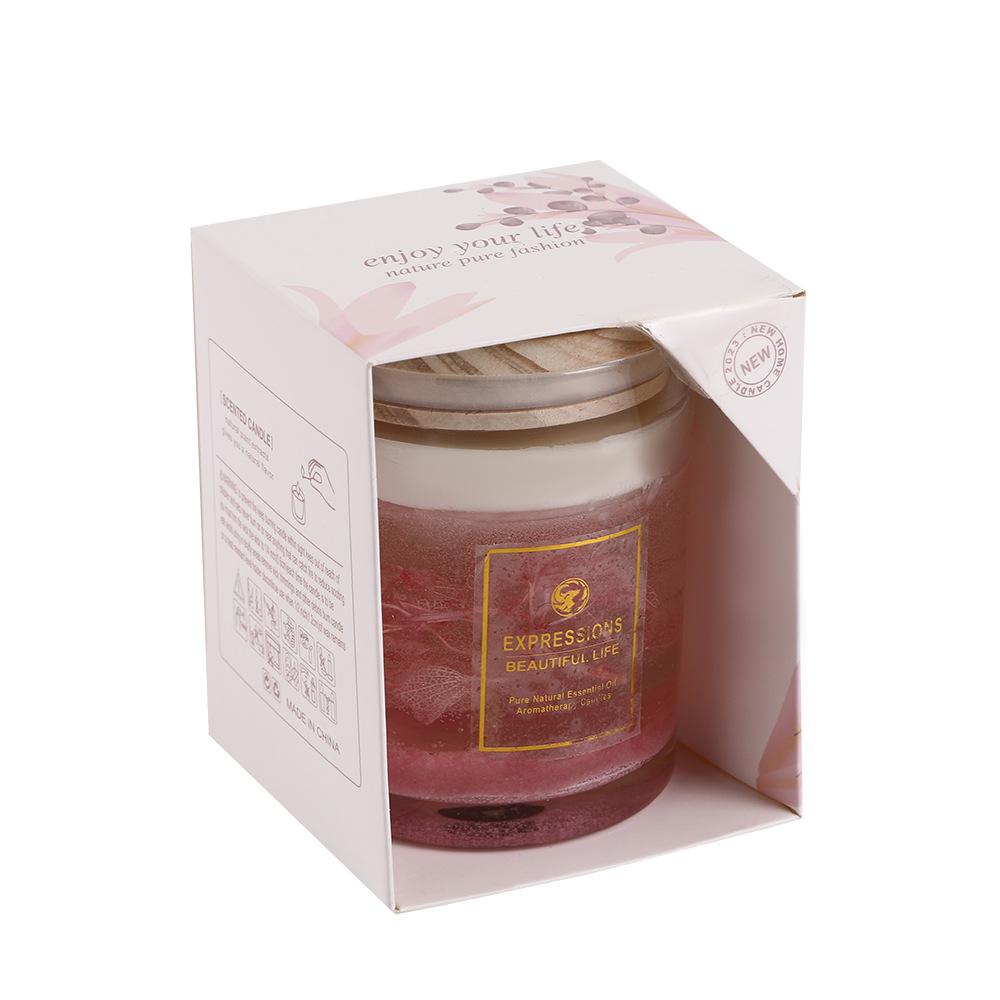
Size: 8 * 8 * 9cm
Origin: China
As flammable and luminous essentials, candles can be traced back thousands of years, play a diverse role in the development of human society, and possess various attributes such as physics, chemistry, and culture.
The raw materials for modern candles mainly include wax, wicks and some additives.
The wick is made of cotton, twine or other fibers. The thickness and method of weaving will affect the burning rate and stability of the candle.. A quality wick should have good oil absorbency and combustion properties to avoid wick effect.
The candle manufacturing process mainly involves steps such as preparation of ingredients, melting, pouring into molds, cooling, extraction from molds and pruning.
Candles are solid at room temperature and have a certain hardness and shape.. Different types of hardness of candles depend on the quality of the wax.
When a candle is lit, a number of physical and chemical changes occur.
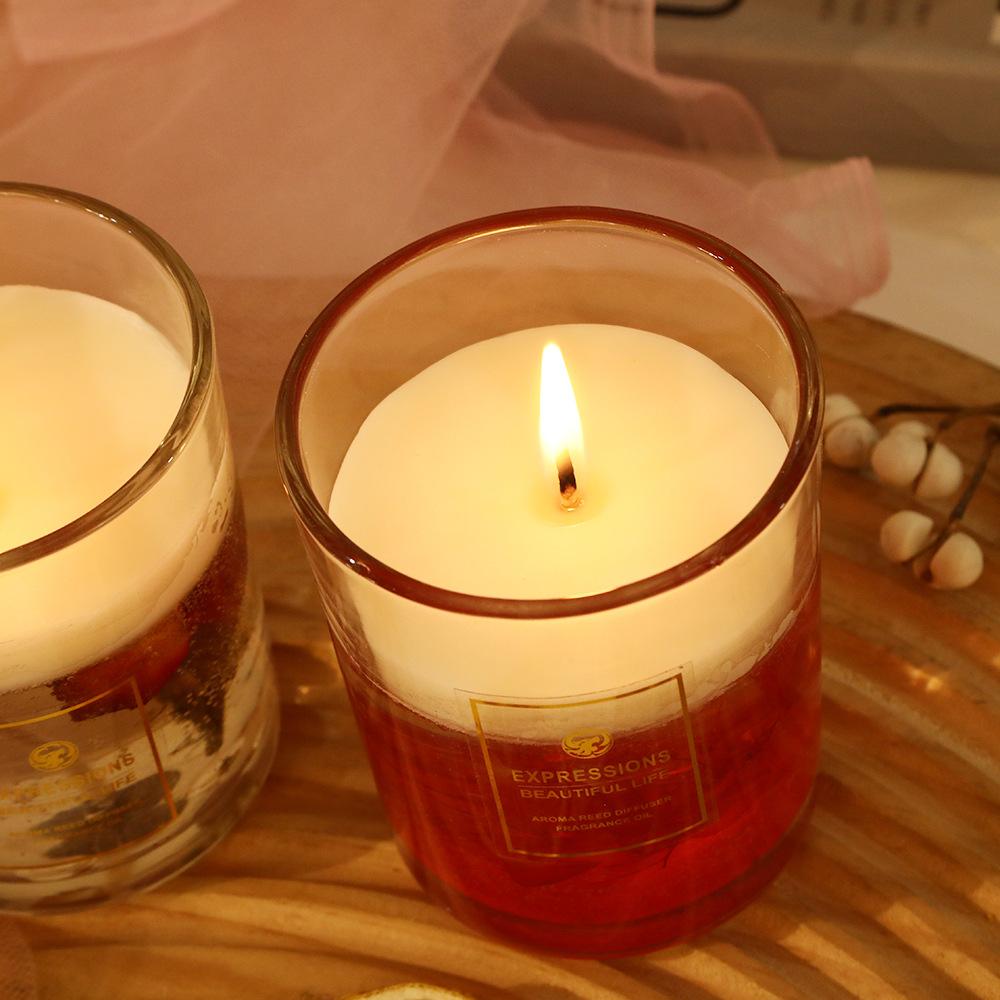
First, the heat of the flame melts the wax to a liquid state. Liquid wax rises due to the capillary action of the wick. Reaching the top of the wick, it evaporates into wax vapors under the influence of high temperature.. Wax vapors react chemically with oxygen in the air, that is, a combustion reaction occurs, as a result of which carbon dioxide and water are formed, and heat and light are released.
The purpose of candles is constantly changing over time. Before the popularization of electricity, the main purpose of candles was lighting, which was widely used in homes, temples, palaces and other places.. It provides light to people at night or in low light conditions, making life and work easier.
Even in modern times, when electricity is popular, candles still have certain applications in lighting, such as emergency lighting in case of power outages or to create a special atmosphere. on some special occasions. (such as camping and candlelit dinner). Besides lighting, candles also play an important role in religious and cultural activities.
In many religious rituals, candles are considered*** olas representing light, hope or faith. Candles are used in events such as church services in Christianity, temple prayers by Buddhists, etc.
In terms of culture, candles often appear at various festivals and celebrations, such as the candles on the cake at birthdays, where people express their well wishes by blowing out candles to make a wish. wishes.;
On special days, such as anniversary and Valentine s Day, candles are often used to create a romantic and warm atmosphere.
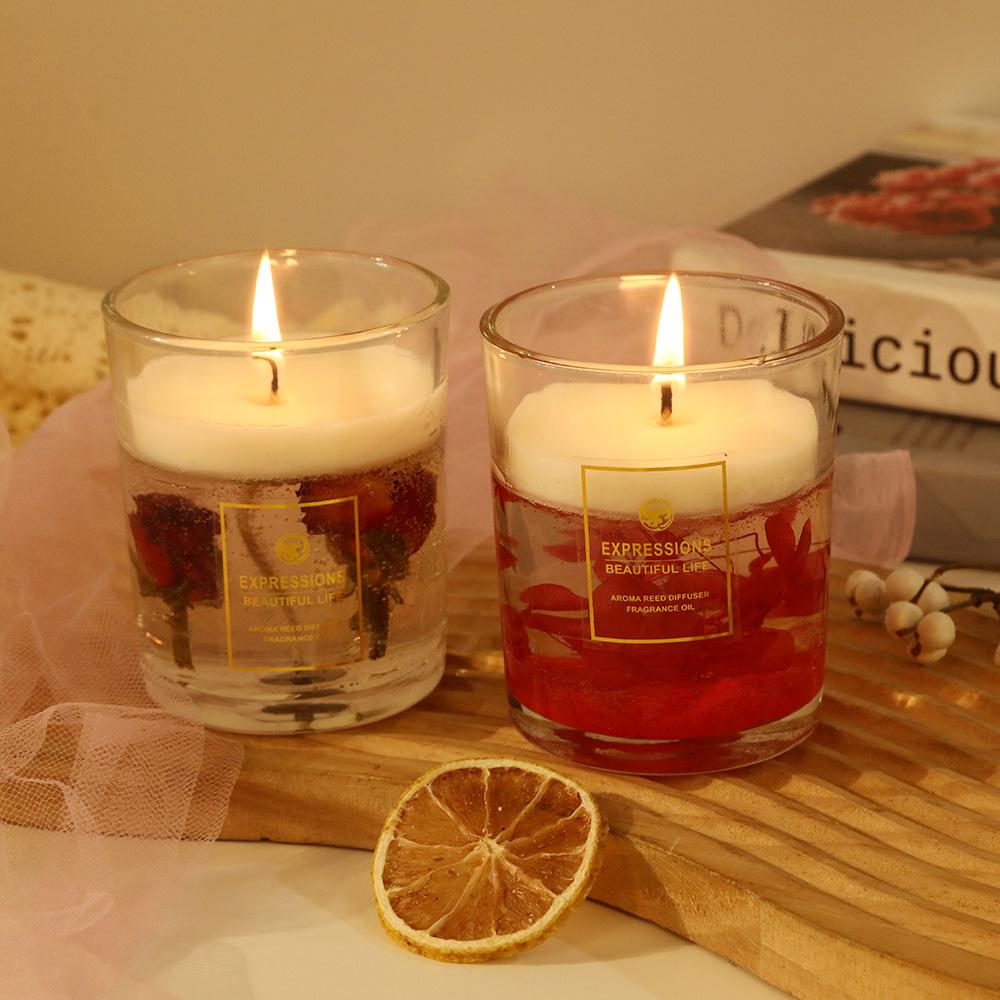
Aromatherapy candles release aroma when burned to ease emotions and purify the air.; There are also mosquito candles, which add ingredients that have a repellent effect, which can be used in the open air in summer to reduce anxiety from mosquitoes.
When using candles, attention should be paid to maintaining good ventilation and stay away from flammable materials, avoid contact with unattended children and extinguish them in time after use.
Material: Cloth



 No-delivery refund